
The hidden cost of chasing perfect (and why it’s destroying your creativity)
Perfectionism sounds like a positive trait.
Stupidly high standards. Enormous attention to detail. Real pride in your work.
On the surface, it looks like the kind of trait that should produce better, if not the best creative work.
But over time, perfectionism often does the opposite. Instead of helping you create better things, it slowly stops you from creating anything at all.
And THAT is the hidden cost of chasing perfect.
If you’ve ever found yourself endlessly tweaking a project, delaying publishing something you’ve made, or feeling like your work is never quite good enough, there’s a good chance perfectionism is involved.
If you’d prefer a video version of this, you can watch that here.
Why perfectionism feels worse in the modern world
Perfectionism isn’t new, artists and creators have struggled with it for centuries, but it feels far more intense today.
pre social media, most creative work used to exist in private. You would make something, maybe share it with a few people and move on.
But now, literally everything happens in public. Pretty much every photo, video or piece of work is put out there for almost instant judgement.
From strangers, through likes and comments, by algorithms, clients. By a bunch of people you’ll likely never meet.
Our brains are wired to avoid social rejection, so when our creative work feels tied to our identity or reputation, the safest option often becomes doing nothing. If you don’t put anything out there, it can’t be negatively judged, right?
The real problem is that doing nothing carries an enormous cost.
You’re not just dealing with frustration anymore, you’re also dealing with the guilty feeling that you really should have tried.
If this feeling sounds familiar, I created a short guide to help photographers reset their creative momentum.
You can download my free Creative Reset Guide here.
It walks through a few simple exercises designed to help you move past overthinking and start making again.
How perfectionism actually shows up
Perfectionism doesn’t arrives as a big dramatic thing. It doesn’t look like a creative breakdown or creative block.
No, no… it’s much more subtle, and over time it really compunds.
To me, it looks like:
tweaking a project endlessly. Adding more sfx to a video, changing colour grades slightly.
switching the music (again)
re-exporting an edit with minor tweaks
waiting for the ‘right time’ to publish or create something
telling yourself you’ll come back to it tomorrow
You still feel busy and you feel productive, but nothing meaningful really comes from it.
That is what makes perfectionism so dangerous.
It feels like action, when in reality it’s just fear in disguise.
Why perfect work rarely connects with people
Here’s something most people eventually realise.
People watching videos, or looking at a photograph don’t tend to remember technical perfection.
They don’t remember how sharp a photo was and they don’t remember how good transitions in a video edit were.
They remember how something made them feel.
Perfect work tends to remove the very thing that makes creative work powerful.
It smooths the realism, the flawed humanity. It becomes polished, but essentially empty.
What resonates with people is usually something else entirely.
Authenticity. Emotion. Presence. And of course, imperfection.
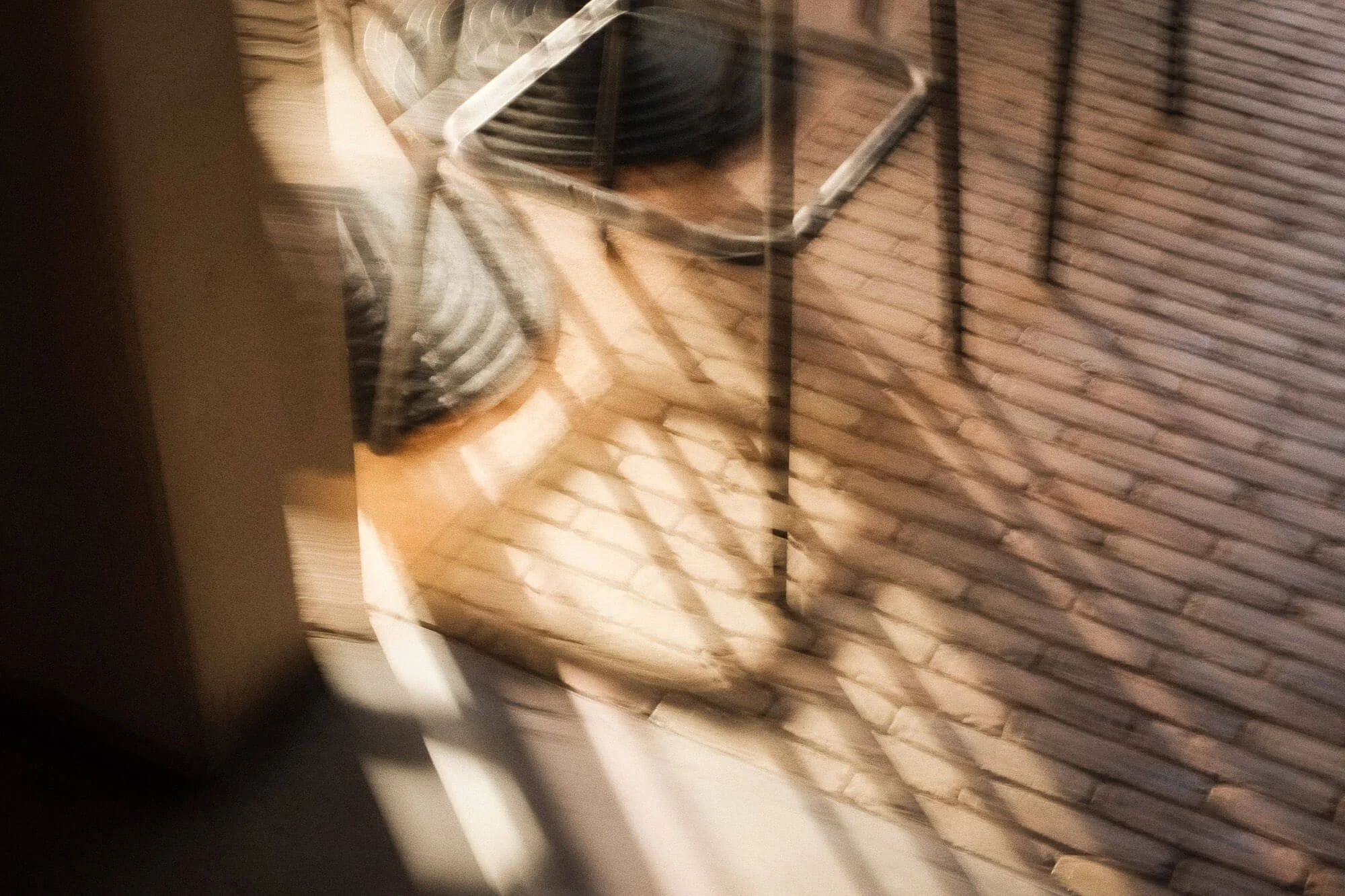
A happy photography accident
Comparison makes perfectionism worse
Social media only amplifies this problem because what we generally see online are finished pieces. The highlights and the success.
What we don’t usually see are the hundreds or thousands of attempts that came first. The drafts, the failed versions, the learning and the time dedicated to the process.
Comparing your entire creative process to someone else’s finished work will always make you feel behind, and therefore a little bit less capable and confident.
There’s a better way of framing this:
Instead of comparing yourself to other creatives, compare yourself to you a year ago. Are you better, or trying to be than you were?
That shift alone can remove a lot of our feelings of perfectionism - aim for a bit better than last time.
Why volume beats perfection
Every photographer, filmmaker or artist produces far more mediocre work than great work.
Which is by no means a flaw, it’s the process. It’s what we all do. Good work only starts to appear after producing a lot of bad, and then average work first.
The benefits of producing more work are unmatched.
You improve faster, you stop obsessing over the outcomes of individual pieces. You build confidence through the evidence of having made something.
Let’s say that someone who posts 200 times on Instagram over a year has 10 posts that do well (I’m not for a minute suggesting you do this btw, it’s just an example!). That’s a 5% hit rate. If you only post 10 times, you might get 1 that does ok, if you’re lucky!
By doing more, you give yourself so many more chances to create something meaningful, but you can only do more if you embrace imperfect, because perfectionism destroys this process.
It’s consistency that fuels it.
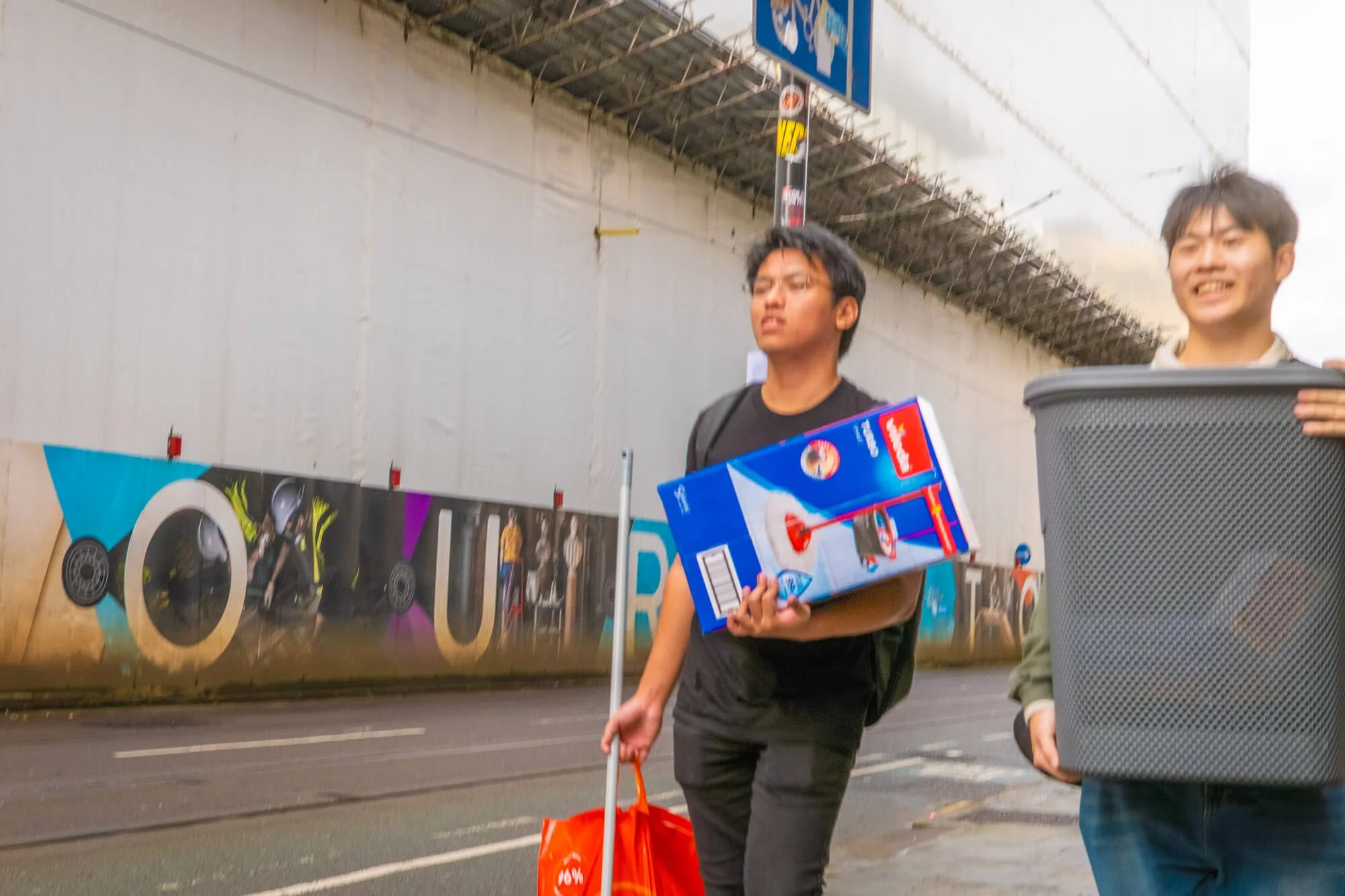
It’s not perfect, but I like it
Short term failure vs long term meaning
When the film Blade Runner was released in 1982, it was widely considered a disappointment.
Reviews were pretty mixed and the box office response was VERY underwhelming.
But today it’s considered one of the most influential sci-fi films ever made, shaping entire visual styles and genres over the past few decades.
If creative work is judged immediately, by reactions, metrics or popularity, we completely miss its long term value.
Creativity rarely reveals its importance straight away.
Even if you don’t share your work
You don’t have to publish your work if you don’t want to, we should make things for ourselves first and foremost so creating things privately is totally fine.
BUT, if you’re still chasing perfection even when nobody else will ever see what you are doing, then that probably needs questioning!
Where is that pressure really coming from? Who is it for?
It’s worth remembering that perfectionism doesn’t need an audience to exist.
Why we’re trained to be perfectionists
Most of us learn perfectionism pretty early, which I find really sad.
Schools reward correctness and mistakes are often punished. We live in a world where results tend to matter more than exploration.
Chuck in social media, their algorithms and the general performance culture we seem to value on top of that, and ‘being perfect’ starts to feel like the only way to survive.
Survival though, is not the same as a sense of fulfilment.
Why AI makes this even clearer
Generative AI can now create technically perfect images and videos almost instantly.
Perfect skies, perfect colours, perfect lighting, perfect products.
I was looking to buy a jacket online the other day, but all of the images looked AI generated - the jacket, the people in them, the lighting and setting and background blue all looked too perfect. I actually emailed the company owner asking for real life photos even if they were shot in a dusty warehouse! I feel that would give a better representation of the product than what I was being shown.
So much of this perfect AI content just feels totally empty.
Impressive, yes. Well, sort of. I hate it but if you showed it to someone a few decades ago it’d have felt like total magic.
Meaningful? Absolutely not. It’s meaningless.
If machines can produce perfection faster and better than we ever could, then perfection probably shouldn’t be the thing humans should be chasing….
Meaning requires something else entirely.
Time, perspective, mistakes, and patience.
Ironically, the very things perfectionism tries to eliminate.
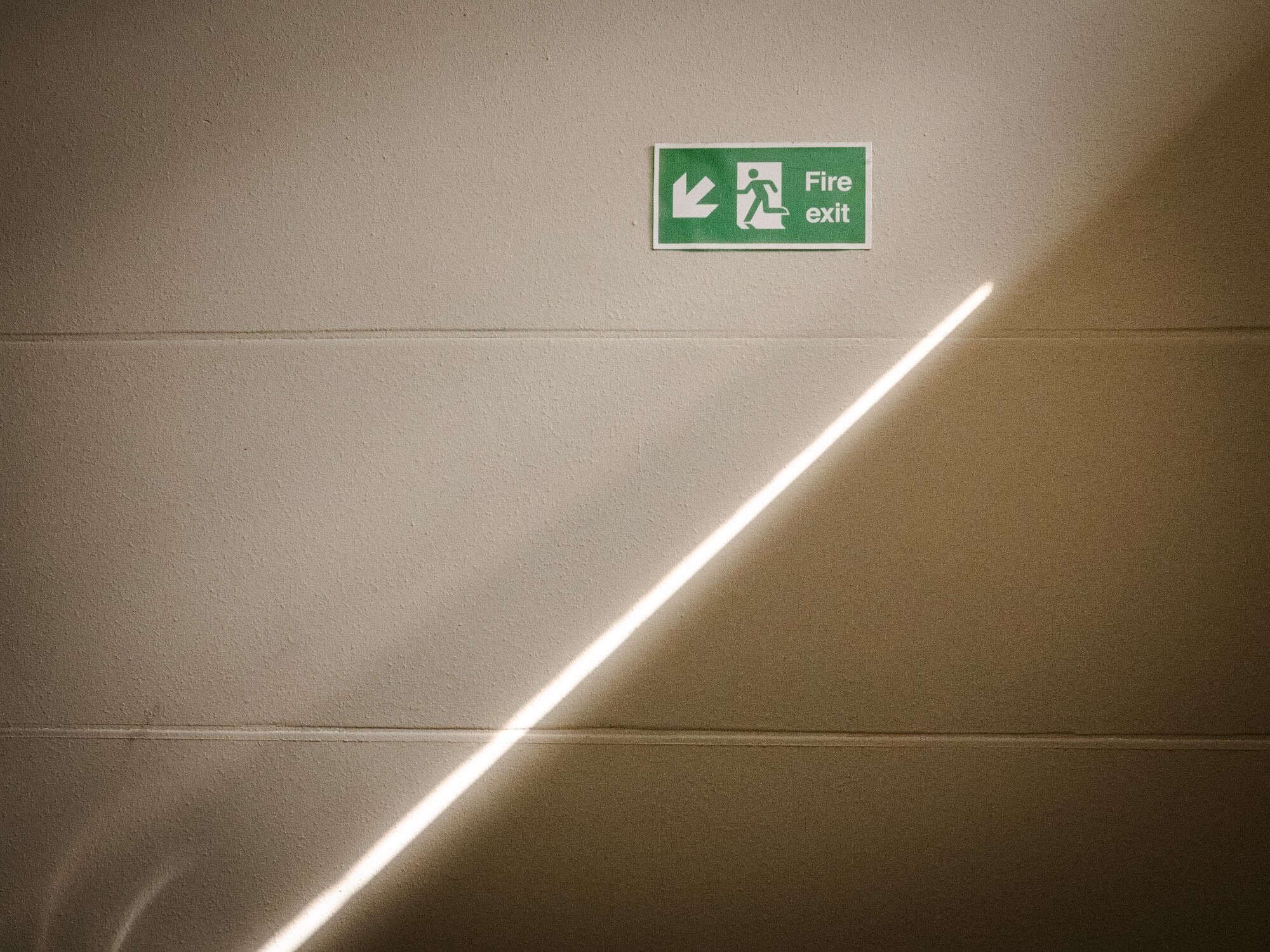
Not AI. And also very far from perfect!
The real cost of perfectionism
At best, perfectionism really slows you down. At worst, it destroys the very thing you care about.
Many people turn to photography, filmmaking or creativity in search of meaning and fulfilment but perfectionism immediately cuts that off at the source.
You don’t find your voice by thinking harder, you find it by making things and then letting them exist in the world.
Good enough Is good enough
This isn’t about lowering your standards, because improvement, learning and your craft all matter.
But being good is not the same thing as being perfect.
You cannot therefore wait until you feel ready, because nobody ever feels completely ready.
You can’t remove imperfection, because it’s part of being human.
Perfectionism removes the most important element from creative work.
You.
Final thought
I’ll leave you with this…
The pain of doing nothing is almost always greater than the pain of trying.
So make the thing, share the imperfect version and let it be a bit messy.
Don’t let perfectionism take away the very thing that made you want to create in the first place.

Good enough
FAQ
Is perfectionism bad for creativity?
Perfectionism can slow down or completely stop creative work, whetehr that be photography, filmmaking, painting, writing, whatever. When creators focus too heavily on making something perfect, they often delay finishing or sharing projects altogether.
How do you overcome perfectionism as a creative?
The most effective approach is to focus on volume rather than perfection. Creating more work, finishing projects and sharing imperfect results helps build confidence and momentum.
Why does perfectionism stop people from creating?
Perfectionism often comes from fear of judgement or comparison. When the stakes feel high, doing nothing can feel safer than risking criticism.