
Stop planning all your photography (and do this instead)
One of the things I enjoy most about photography is going somewhere unfamiliar and seeing what I can find. I enjoy just walking around, paying attention, following whatever my interest is drawn to. It feels like a little adventure - you never quite know what you might find around the next corner. I didn’t always work like this though...
For years I planned my photography heavily. I researched locations, looked at photos taken there before, and tried to find the best spots to shoot from. It felt like the sensible thing to do, and often it’s the thing we’re advised to do.
Eventually I realised something. I was totally bored of it.
Standing next to a group of people all trying to take the same photograph slowly drained the enjoyment out of photography. There was another issue as well. If a place has been photographed thousands of times before, someone has almost certainly photographed it in better conditions than you will ever experience there.
So these days I do something different.
I just go exploring.
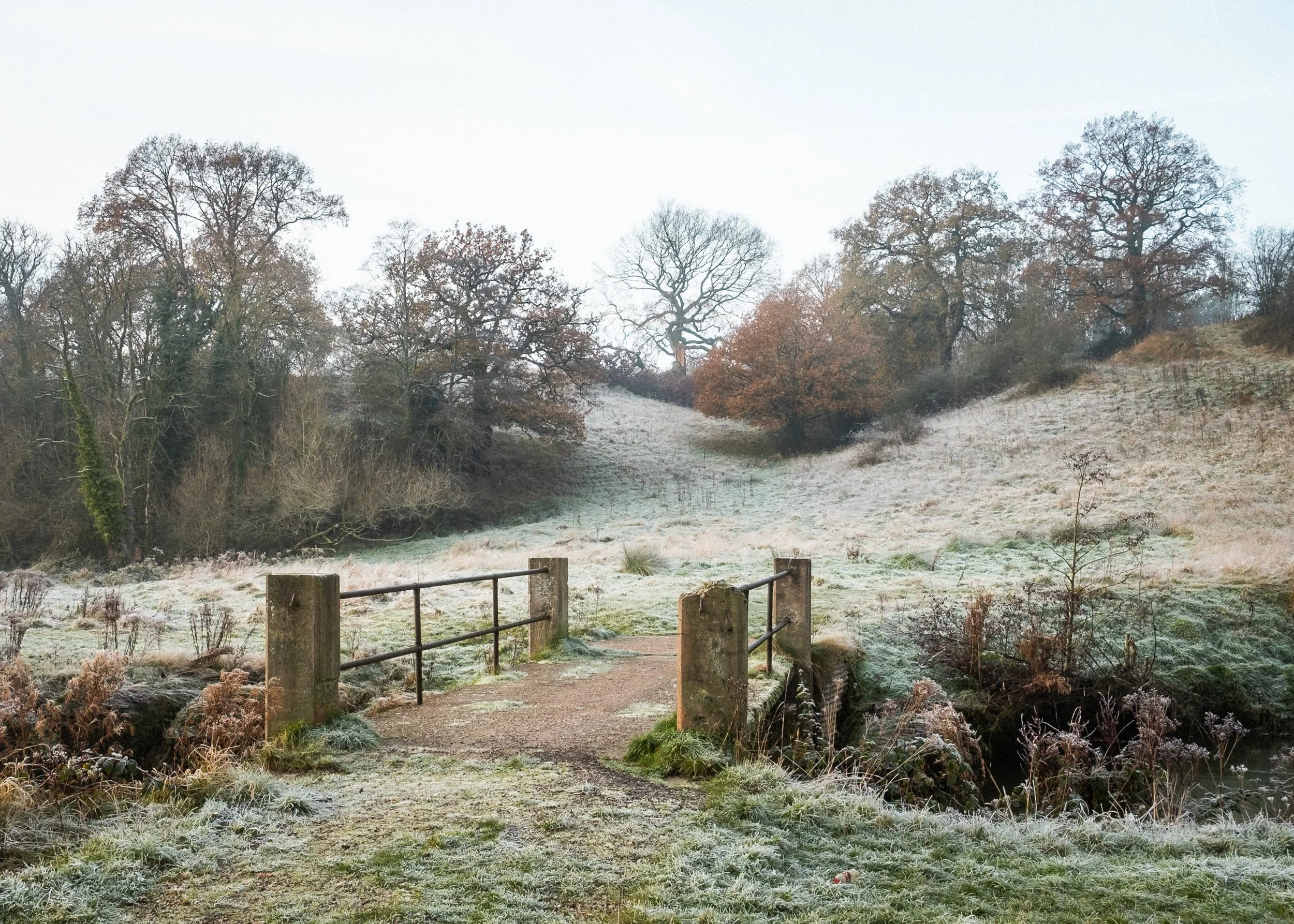
Why planning can kill curiosity
Planning photography trips sounds like a good thing. It feels organised and productive. But planning can also introduce something that damages creativity.
Expectation.
If you arrive somewhere expecting a particular photograph, everything else becomes invisible. Instead of responding to what’s actually in front of you, you spend your time chasing something you’ve already seen online.
Curiosity disappears and without curiosity, photography becomes very formulaic. Like you’re turning a creative pursuit into something far more logical.
When you remove the expectations, something happens. You start noticing things again. Little details, out of place objects, colours and shapes that you would normally walk past. Quite often, those are the things that make the most interesting photographs.
What I Do Instead
Now when I arrive somewhere new (or old) I do very little planning.
If it’s a relatively small place, I’ll literally do no research, except for maybe what i did to initially find the place. When I’m there I’ll just go for a walk, get my bearings, and see what catches my attention.
In a bigger city I might look up one or two areas beforehand, but that’s usually as far as it goes. From that point on the process becomes very simple.
Every time I reach a junction, a path or somewhere where i can go multiple ways, I stop and look in each direction and ask myself a single question.
Which direction looks interesting?
And I walk that way.
What I’m actually looking for
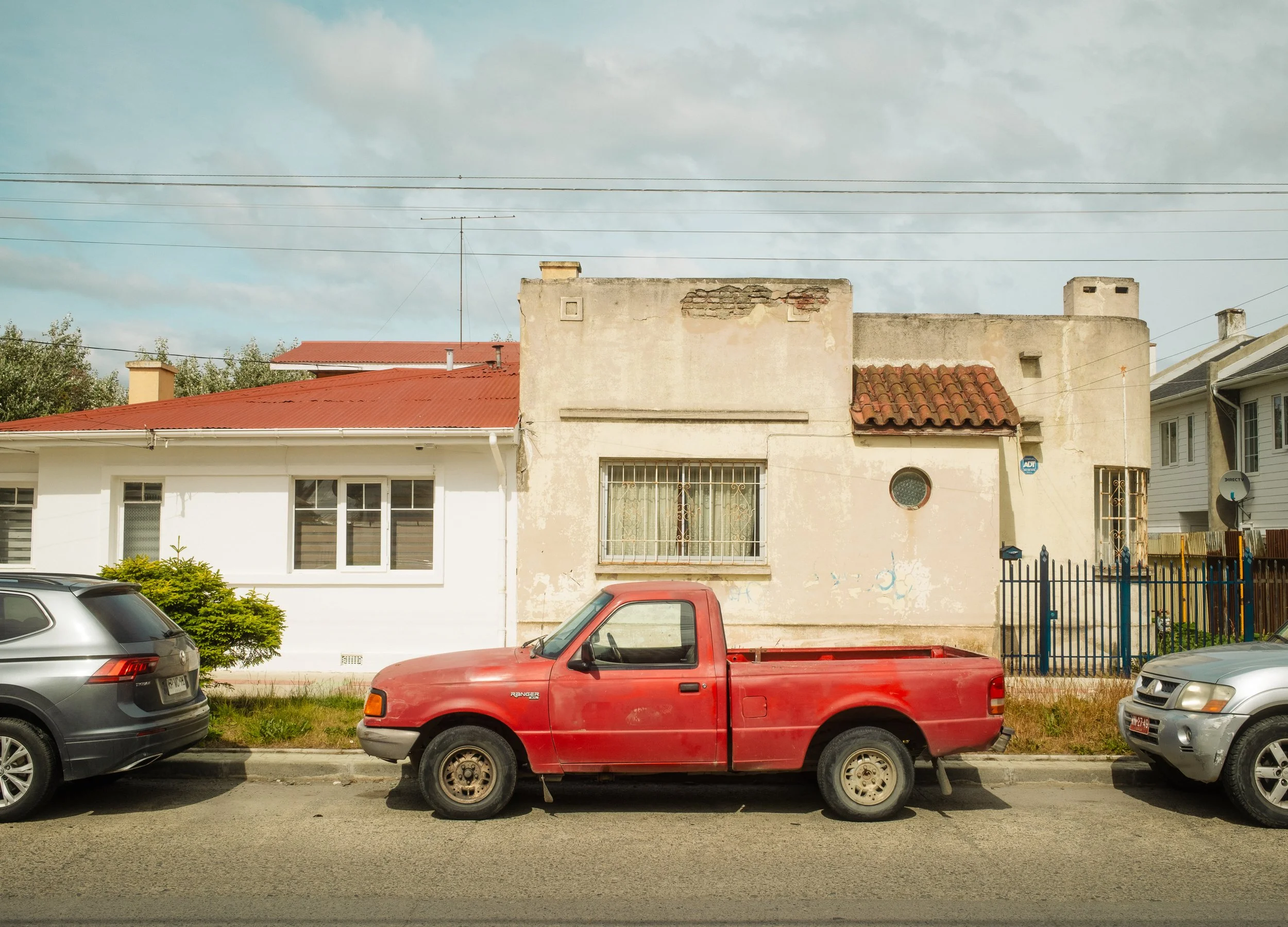
When something catches my attention, the next step is trying to turn it into a photograph. Over time I’ve realised that I’m usually looking for three things when composing an image.
Simplicity.
Separation.
Space.
Simplicity means removing anything unnecessary from the frame, things that don’t add to the photograph. Busy scenes can make photographs feel confusing because the viewer doesn’t know where to look, so simplifying it helps the subject stand out.
Separation is about making sure elements don’t overlap in distracting ways. When objects cross over, the photograph can feel a bit uncomfortable, so arranging the things in the scene so that they sit clearly makes the image much easier to read.
Finally, there’s space.
Space gives a photograph room to breathe. It creates a sense of openness and place in the image. That is something I’m naturally drawn to. It’s also one of the reasons I enjoy working with a 35mm equivalent focal length a lot of the time.
Curiosity produces better photographs
When you remove expectations, photography becomes much more open.
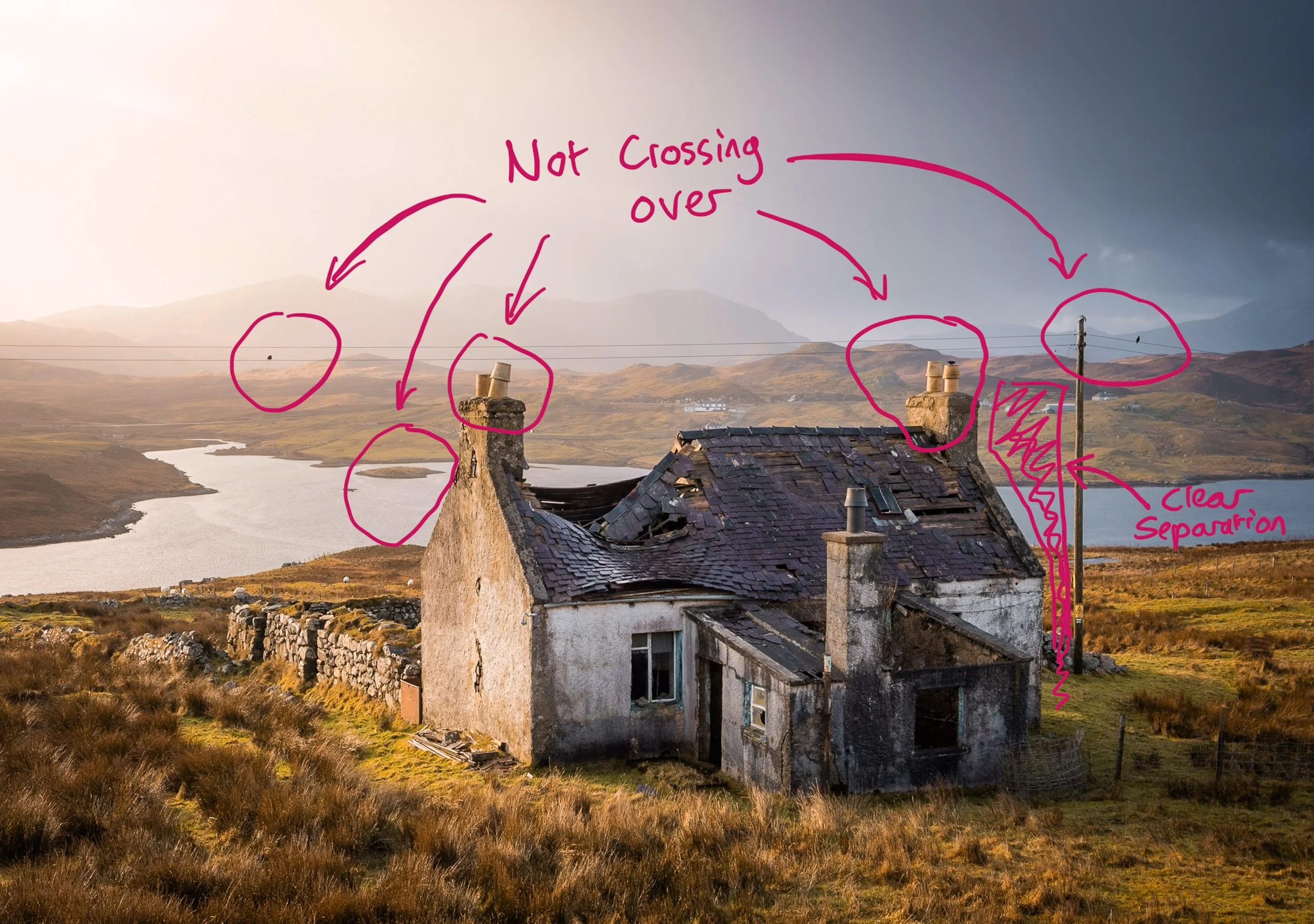
I believe that interesting things can be anywhere. An object that just doesn’t belong, an old car parked against a brightly coloured building, or a dog sleeping outside a house.
These moments often happen without warning, but because you’re already paying attention, you are ready for them.
Ironically, removing all of the pressure often leads to better photographs because you stop trying to force images to happen and instead respond to what’s already there.
If you’re feeling creatively stuck, I put together a free Creative Reset Guide that walks through a few exercises to help photographers break out of that cycle.
Gear matters less than you think
For this particular walk I used a Fujifilm X100VI with a small diffusion filter on the front. I also shot a little bit of video on my iPhone.
Yes they are both extremely capable (and expensive) but honestly, the camera wasn’t the important part.
Most of the photographs here could have been taken on almost any camera. The reason I like using this setup is simply because it’s small, reliable and easy to carry. When your camera is easy to carry, you’re far more likely to bring it with you, and that is what really matters.
The more gear you carry, the more decisions you have to make. The more decisions you have to make, the harder it becomes to get into that creative flow where you’re reacting to what’s around you.
The importance of flow
There’s a state you sometimes reach when out with your camera.
You stop thinking about everything else. Your attention becomes completely absorbed in what’s happening around you. You totally lose track of time and are completely immersed in what you are doing.
That feeling (the ‘flow’ state) is where some of the best photographs tend to come from.
What I find interesting is that it’s much easier to reach when you remove the expectation and pressure.
Why this changed my photography
Over the last couple of years I’ve adopted this approach more and more and the impact it’s had has been huge.
This isn’t because I’m travelling more. In fact, if anything I’m travelling less! But I’m paying attention far more often.
Photography has become something I can do almost anywhere.
Walking through a new town, taking a different route through the place I live. Exploring areas close to home that I’ve never really looked at before.
It’s no longer about chasing locations (although I am still drawn to these highly photogenic places), it’s about noticing the things in the place you are in.
Try this close to home
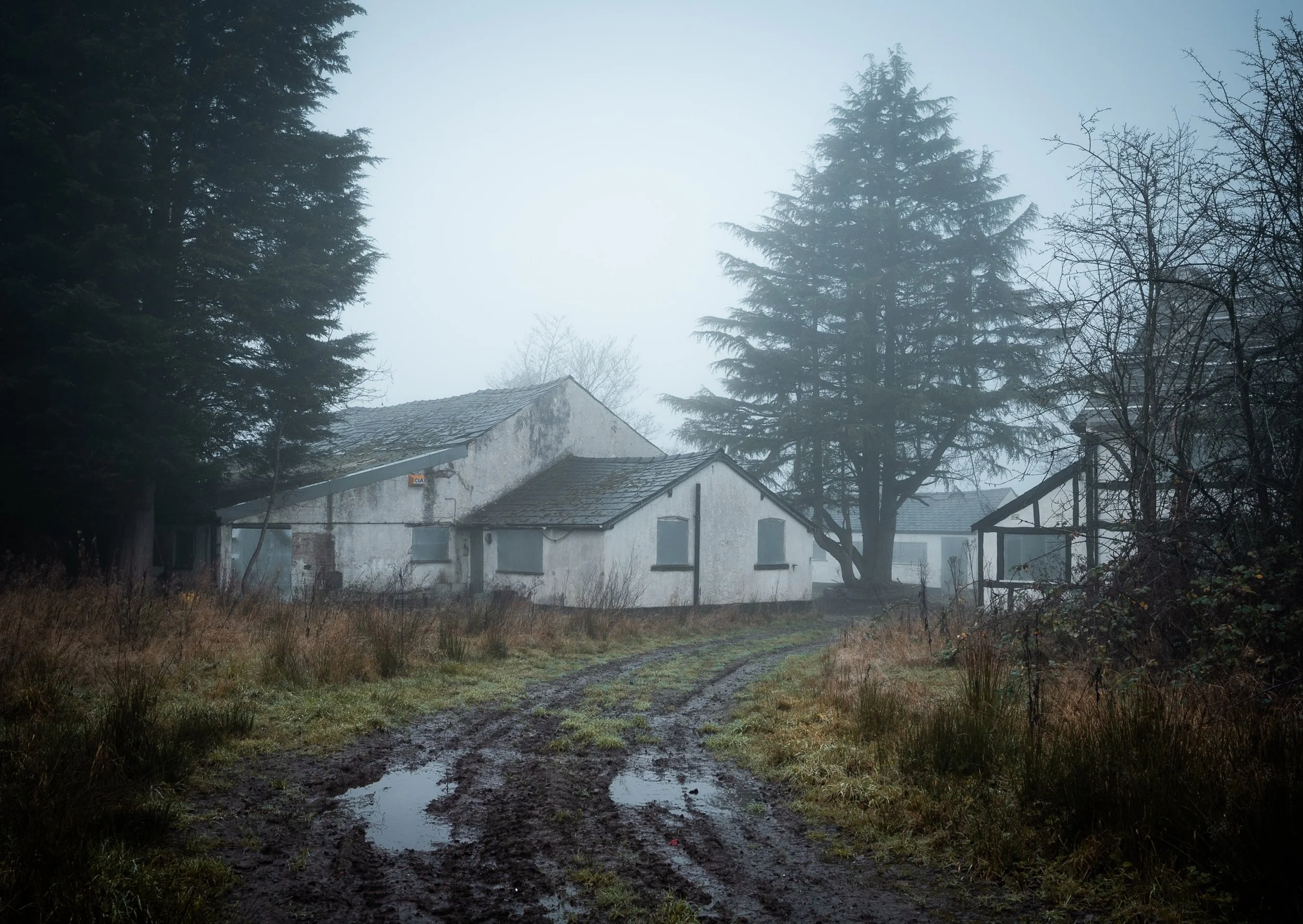
You don’t need to travel anywhere new to apply this approach, just try going somewhere close by that you have no real reason to visit.
Walk around and take different routes. Go down streets you’ve never paid attention to before and you’ll probably discover things you never realised were there.
Sometimes that’s exactly where the most interesting photographs appear.
Final thought
Photography becomes an awful lot easier when you remove the pressure associated with producing ‘the best’ images.
So try and remove the expectations and remove the overthinking.
Just walk. Look around. Follow your curiosity and your instinct.
You might be surprised by what you find.