
Fujifilm X100VI review. After 9000 photos: Who this camera is actually for
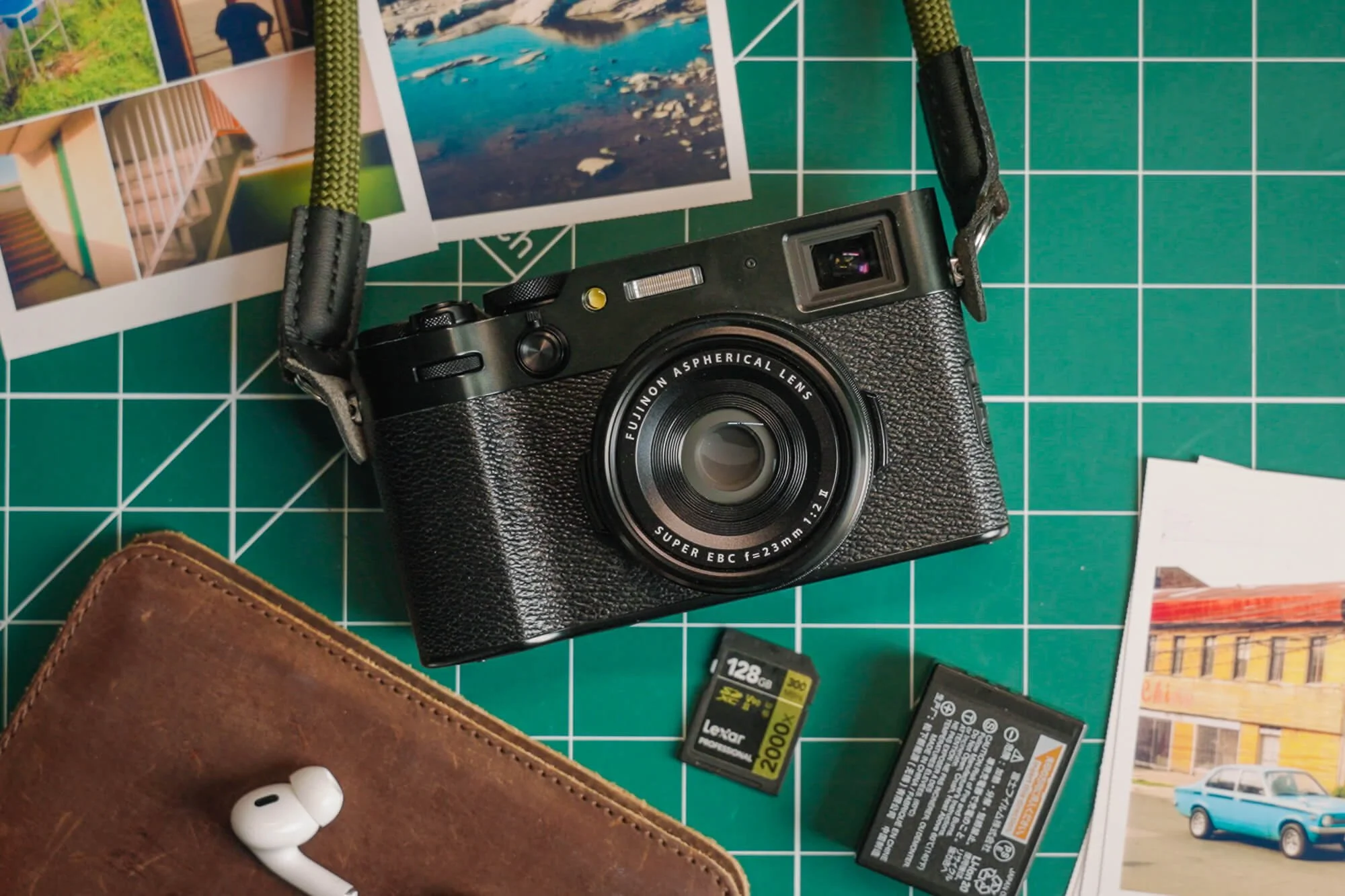
My Fujifilm X100VI
The Fujifilm X100VI might be one of the most talked-about cameras of the last few years.
It’s been hyped, sold out, scalped, praised, criticised and reviewed a little bit too much.
Which makes writing another review feel a little pointless!
But after carrying this camera almost everywhere for the past year and taking roughly 9000 photos with it, I’ve started to realise something more interesting than whether the camera can be considered ‘good’.
The real question is:
Who is this camera actually for?
If you're considering buying the Fujifilm X100VI and want to know whether it’s actually worth it after over a year of real world use, this article shares what I’ve learned after shooting thousands of photos with it over the last year.
If you’d prefer a video version of this, you can watch that here
My Fujifilm X100VI Review (After 9,000 Photos)
After taking around 9,000 photos with the Fujifilm X100VI, my overall thoughts are very positive, but with some exceptions.
It’s not the most versatile camera. The autofocus is far from class leading, and the fixed lens means it won’t suit every type of photography or photographer.
But as an everyday camera that encourages you to take photos more often, it’s one of the most enjoyable cameras I’ve ever used.
And that matters more than specifications.
Why This Isn’t a Typical Camera Review
Most camera reviews appear on launch day, or at the very least within days or weeks of it. The problem is that’s nowhere near long enough to really understand a camera.
Early reviews tend to focus on specifications, menus, and first impressions. They tell you what a camera can do, but not what it’s actually like to use and live with.
And that’s where the interesting stuff usually is.
After a year of using the X100VI, the novelty has worn off. and the excitement has gone away. It’s just become a camera that I either pick up… or don’t.
And that’s when you start to see a camera quite clearly.
For me, the X100VI has become something very specific: an everyday camera that encourages intentional photography.

One of the shots I call ‘moments in between’. Shot on a ferry coming back from a family holiday in France
What the Fujifilm X100VI Gets Right
It’s a Camera You’ll Actually Take With You
The biggest strength of the X100VI isn’t a technical feature. It’s availability, how easy it is to carry with you.
Whenever I leave the house and expect to be out for a while, this camera comes with me. It’s small enough to carry comfortably and quick enough to use that it never feels like a burden.
That matters more than people realise….
Photography often happens in small moments. If your camera is inconvenient to carry or slow to start, those moments disappear.
The X100VI removes a lot of that friction.
It Gets You Into a Creative Flow Quickly
One of the things I look for in a camera is how little friction it introduces into the process.
Friction kills creativity.
If a camera is complicated, slow, or awkward to use, your attention moves away from the scene and towards the tool.
With the X100VI I can turn it on and take a photo almost instantly. That speed helps my brain switch into what I think of as ‘photography mode.’
When that happens, photography stops feeling like effort and starts feeling like flow.
The JPEG Colours Are Excellent
One of the reasons Fujifilm cameras have such a devoted following is their JPEG colour science.
Through Fujifilm’s film simulations and user created ‘recipes’ you can create really distinctive looks straight out of the camera.
And the results are often excellent.
For casual photography, travel, family photos or documenting everyday life, this can massively simplify your workflow and in many cases you don’t need to edit at all.
Few other camera brands do this quite as well as Fujifilm.
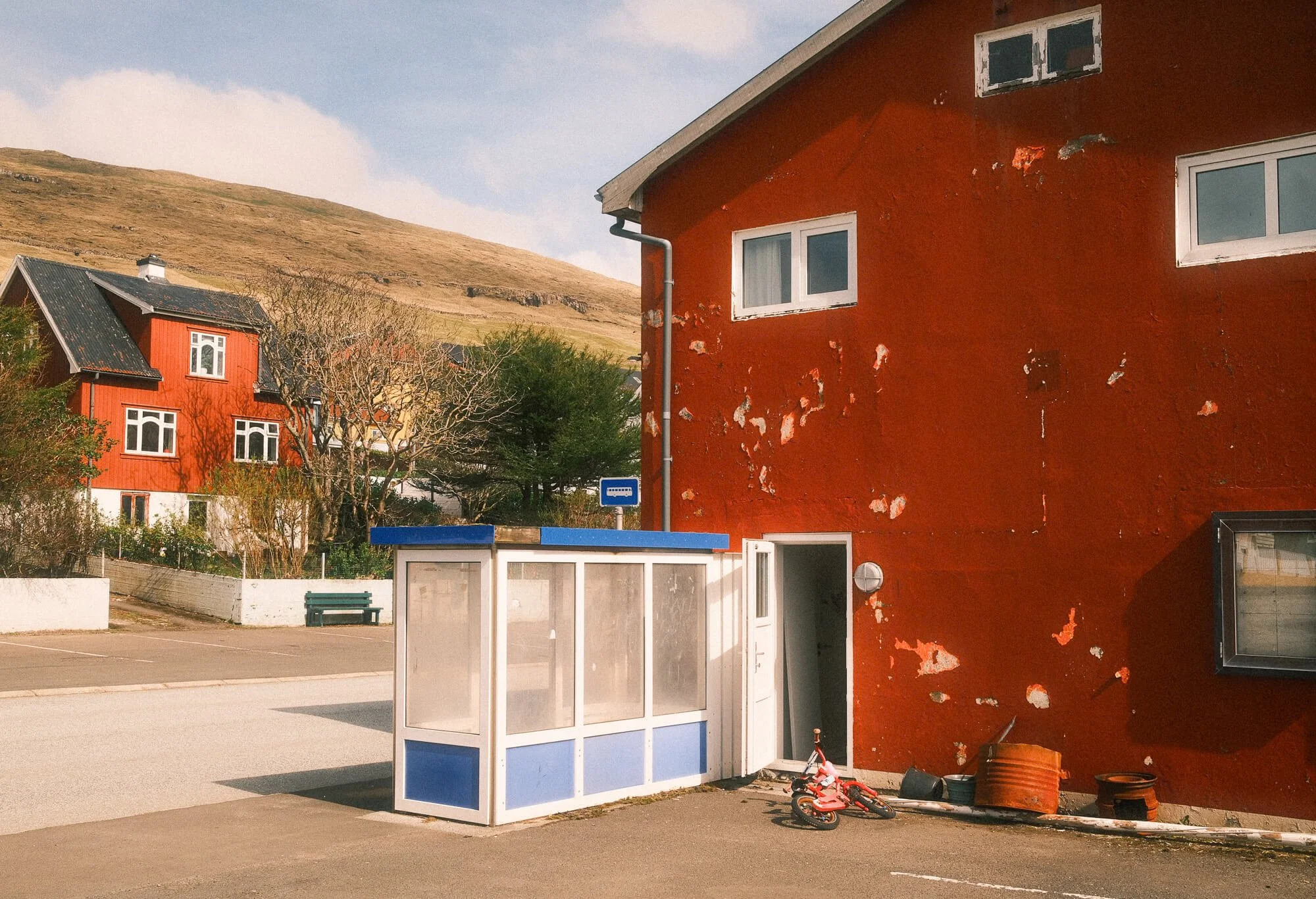
Straight out of camera JPEG, taken on a Landscape Photography trip to the Faroe Islands
The Problem With Film Recipes
There’s a downside to all those JPEG recipes.
Too much choice.
There are hundreds of recipes online, with more coming out every week, each one promising a slightly different aesthetic.
At some point I realised I was spending more time deciding which recipe to use than actually taking photos.
That decision itself became friction, so I simplified things again:
Shoot RAW
Apply a preset later
Make small adjustments if needed
That way the creative decisions around ‘look’ happen after the photo, and not before it.
Which keeps the act of taking photos simple.
A Hidden Feature That Surprised Me
One feature on the X100VI genuinely surprised me. Fujifilm cameras allow you to increase the dynamic range setting (up to 400%).
I had mostly ignored it because I was used to turning off in-camera processing features, but on a recent trip I accidentally overexposed a set of photos.
When I opened the RAW files in Lightroom, I was able to recover far more highlight detail than I expected.
It turns out that dynamic range settings influence the files more than I realised, even when shooting RAW. It’s a small discovery, but one that changes how I use the camera.
Below left is one of those accidentally overexposed RAW files shot using the DR400 feature. The image to the right is a 5 minute edit of that same RAW.


The Frustrations With the X100VI
No camera is perfect, and the X100VI does have some frustrations.
Autofocus feels slightly dated
The autofocus still struggles in low light or poor conditions and occasionally hunts more than you might expect for a camera at this price.
Much of this comes down to the lens design, which hasn’t changed mcuh across generations. The lens is also quite noisy, feels mechanical and is showing it’s age a little.
The ergonomics aren’t perfect
Because the camera is so compact, it’s not the most comfortable camera to hold for long periods. A small thumb grip improves this quite a lot.
Some button placement is awkward
The autofocus (which I use for back button focus) and Q buttons aren’t always in the most intuitive places - there’s a lot more room near to where your thumb naturally wants to be.
Battery life is average
If you’re out all day, you’ll probably want to carry a couple of spare batteries.
None of these issues are deal-breakers, but they’re worth knowing about.
One thing I’ve learned over the years is that new cameras can make photography feel exciting again, but they rarely fix the deeper creative struggles photographers face.
If you’ve ever felt stuck, burnt out, or unsure where to take your photography next, that’s something I’ve thought about a lot.
So I’ve put together a FREE Creative Reset Guide for Photographers
to help people reconnect with the joy of photography and rediscover their creative direction.
Who Is the Fujifilm X100VI Actually For?
When people buy cameras, they usually focus on one thing: Capability. What can the camera do?
But there’s another factor that matters just as much:
Connection. How much the camera makes you want to take photos.
And for many photographers (me included), the X100VI scores incredibly high on that second factor.
Great for street photography
The 35mm equivalent focal length works extremely well for street photography.
It’s wide enough to capture context, but not so wide that subjects feel distant. Combined with the camera’s compact size, it’s easy to shoot without drawing too much attention.
For many street photographers, that simplicity is exactly the appeal.

Street Photography in London
Great as a second camera
For professionals or serious photographers, the X100VI probably isn’t going to be a main camera.
It has limitations:
fixed lens
average autofocus
less versatility than interchangeable systems
But as a second camera, it can be excellent.
The fixed lens removes decision making. You stop thinking about lenses and start responding to what’s in front of you.
Great for travel and everyday photography
Because it’s compact and quick to use, the X100VI is an ideal travel or everyday camera.
It’s small enough that carrying it doesn’t feel like a commitment, but capable enough to produce high-quality images when something interesting happens.
That balance is rare.

An incredible Travel Photography companion
Not ideal if you want versatility
If you want maximum flexibility, the X100VI may not be the best choice.
The fixed lens means you can’t switch focal lengths, and the autofocus system isn’t designed for fast action photography.
For those situations, interchangeable lens cameras will almost always be a better fit.
Why the Fixed Lens Is Actually a Strength
The X100VI uses a 23mm f2 lens (35mm equivalent).
At first that can feel restrictive, but over time the restriction becomes liberating.
When the focal length never changes:
you stop thinking about lenses
you move your body instead
composition becomes much more instinctive.
you start to know where to stand and position yourself
It’s a subtle change, but it can completely change how you approach photography.
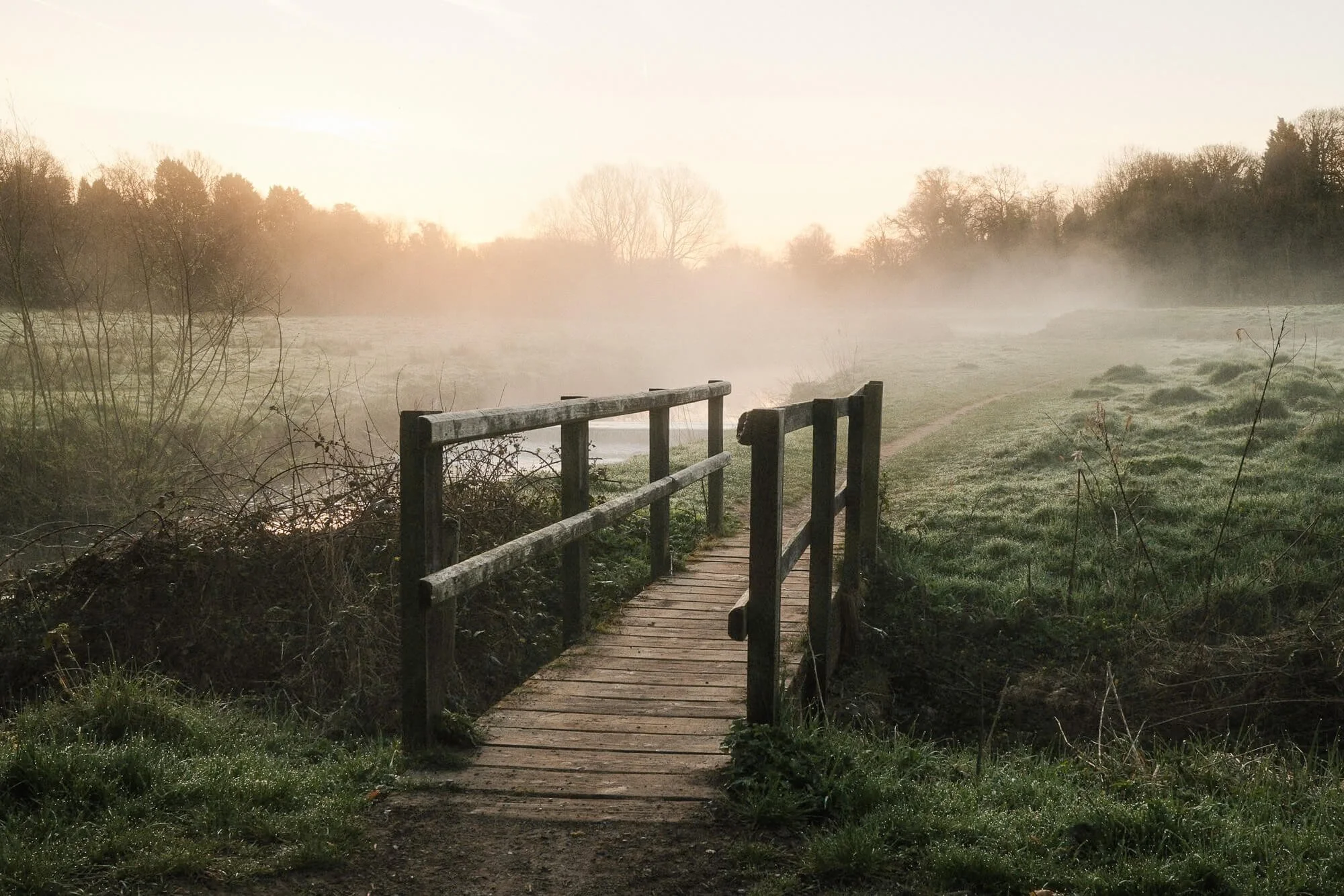
Everyday photos, 5 minutes from home.
Is the Fujifilm X100VI Overhyped?
In some ways, yes.
It is expensive for what it is, and there are technically more capable cameras available.
But the X100VI isn’t really competing on specifications, it sits somewhere between a smartphone and a professional camera.
It’s more capable than a phone, and less complicated than a professional system.
For many photographers, that balance is exactly what makes it appealing.
The Real Reason People Love This Camera
At the end of the day, the biggest strength of the X100VI isn’t image quality or specifications.
It’s something much simpler.
It’s fun!
And when photography feels fun, you do it more often, and when you do it more often, you improve.
Sometimes the best camera isn’t the most powerful one.
It’s the one that reminds you why you started taking photos in the first place.
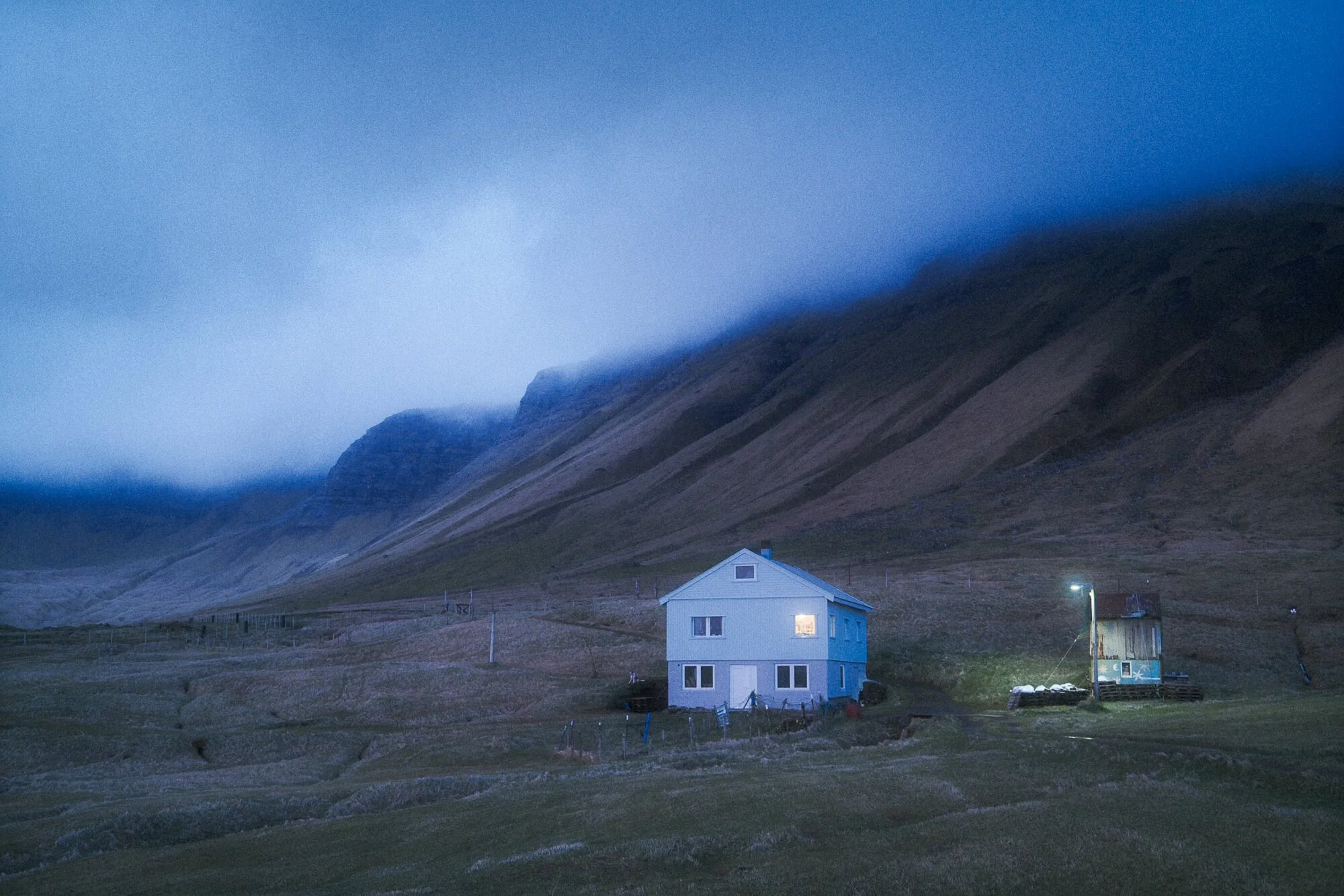
Another shot from the Faroes
Fujifilm X100VI FAQ
Is the Fujifilm X100VI worth buying?
For many photographers, yes. The X100VI offers a unique balance between portability, simplicity and image quality. It’s not the most versatile camera available, but it’s one that encourages you to take photos more often.
Is the X100VI good for beginners?
It can be, particularly if you like the idea of learning photography with a single focal length. The fixed 35mm equivalent lens encourages you to move and think more about composition.
Is the Fujifilm X100VI good for street photography?
Yes. The 35mm equivalent focal length, compact size and discreet design make it a very popular choice for street photographers.